
News
Mon, 06/13/2022
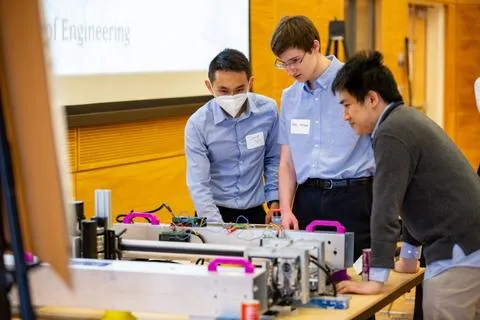
ME undergraduates work to solve real-world problems
Undergraduate students showcased a range of projects during the inaugural Mechanical Engineering Capstone Expo

Mon, 06/13/2022
AI for engineering
The AI Institute in Dynamic Systems isn’t quite a year old, but its directors are already laying the groundwork to transform engineering education and, ultimately, the field.
Mon, 06/06/2022 | UW Engineering Innovation in Health
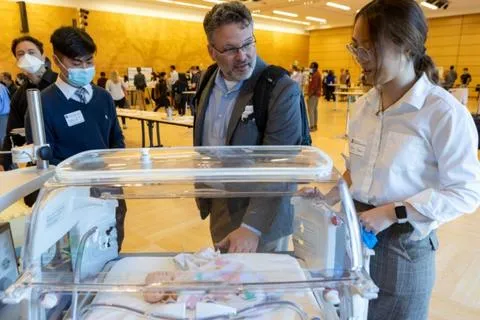
Students present health innovation projects
Engineering Innovation in Health students recently presented to health leaders and innovators at the 2022 Spring Symposium.
Mon, 06/06/2022
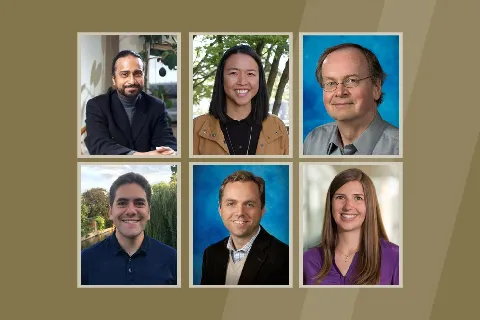
ME faculty honored with student-nominated FACET Awards
Students recognized six ME faculty members with Faculty Appreciation for Career Education & Training Awards.
Tue, 05/31/2022 | UW Foster Blog
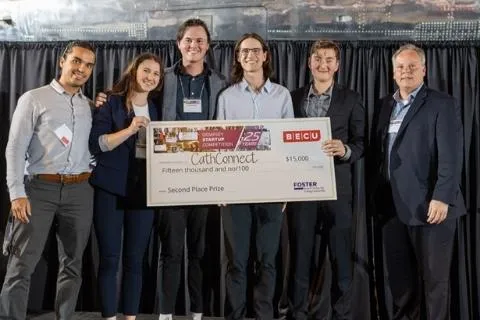
ME students win startup awards
Congrats to EIH teams CathConnect and inSTENT Connection for their awards at the 2022 Dempsey Startup Competition.
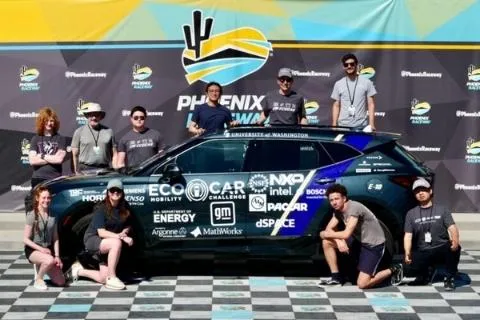
Fri, 05/27/2022 | UW News
EcoCAR Mobility Challenge
With EcoCAR, which just wrapped up the last year of its four-year challenge, UW students rebuilt a car and experienced post-COVID camaraderie under the hood of a hybrid vehicle.
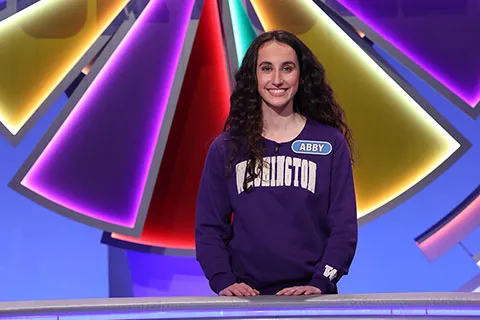
Tue, 05/03/2022
ME undergrad competes on ‘Wheel of Fortune’
Abby Simcox represented the UW in March for College Week 2022 on the word puzzle game show.
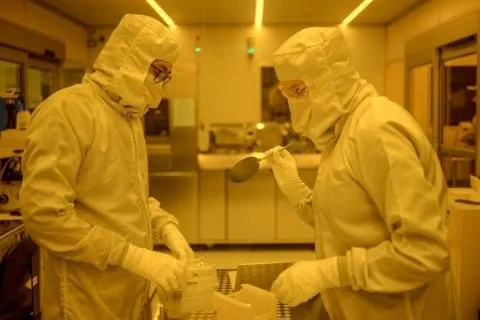
Thu, 04/28/2022 | UW NanoES
ME faculty receive nanotech awards
Congrats to Ayokunle Olanrewaju and Aniruddh Vashisth for receiving Northwest Nanotechnology Infrastructure seed grants from the Institute for Nano-engineered Systems.
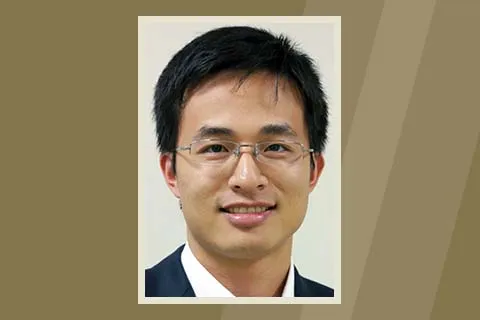
Wed, 04/27/2022 | Cision PR Newswire
Xu Chen receives SME award
ME’s Xu Chen has received a 2022 Sandra L. Bouckley Outstanding Young Manufacturing Engineers Award from the Society of Manufacturing Engineers (SME).
Fri, 04/22/2022 | UW News
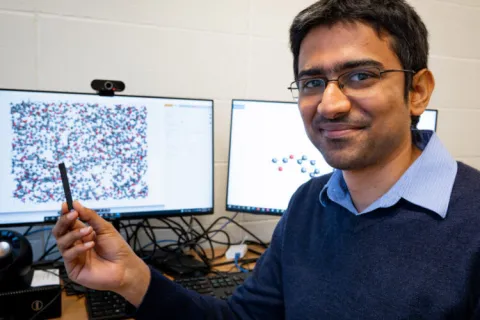
Making Earth-friendly electronics
ME’s Aniruddh Vashisth and other UW Engineering researchers discuss their innovative methods to design and manufacture sustainable electronics.