
News
Thu, 01/12/2023 | The American Society of Mechanical Engineers
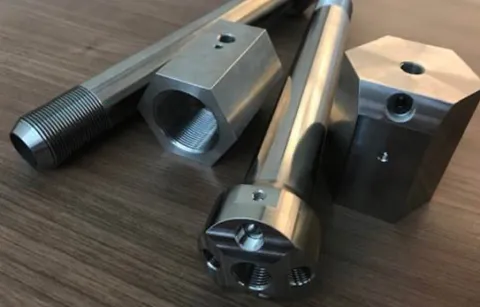
Researchers destroy "forever chemicals"
Researchers led by Igor Novosselov, ME research associate professor, created a reactor that can break down "forever chemicals" into harmless byproducts.
Thu, 01/12/2023 | Elsevier
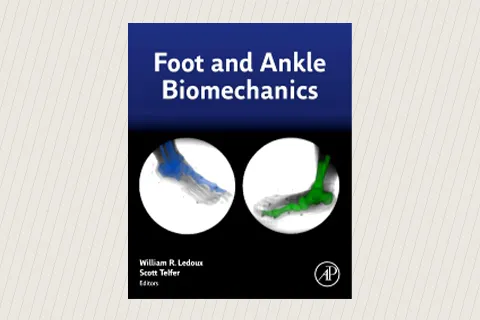
New book about foot and ankle biomechanics
ME Affiliate Professor William Ledoux co-edited a recently published book that covers the anatomy, measurement and function of the foot and ankle.
Thu, 12/22/2022 | IEEE Spectrum
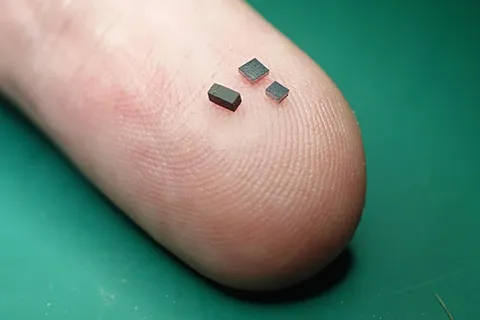
Autonomous flight for tiny robots
A team led by ME Assistant Professor Sawyer Fuller has put together the necessary sensing hardware to enable stable, autonomous flight for tiny robots.
Thu, 12/22/2022 | Springer Nature
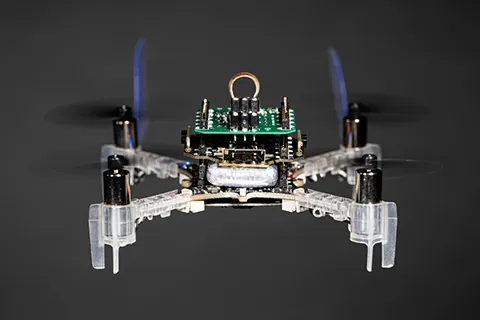
Fruit-fly inspired robots hold steady
ME researchers created a sensing system that can help stabilize tiny flying devices.
Thu, 12/22/2022 | The National Digest
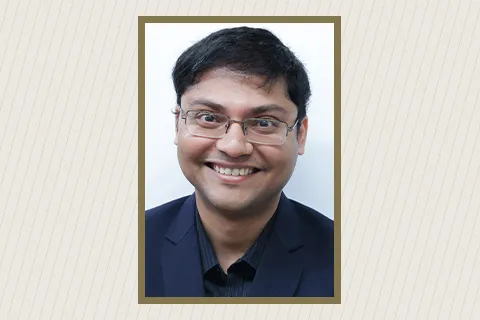
The benefits of automation
ME and ISE Associate Professor Ashis Banerjee shares how automation can help forecast supply chain movement and improve workplace health.
Tue, 12/20/2022 | UW College of Engineering
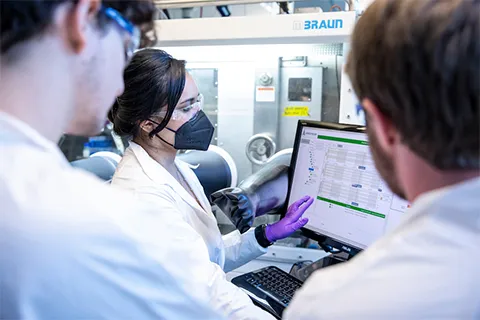
Preparing tomorrow’s clean energy leaders
A story about a multi-disciplinary course that trains students across the scales of clean energy includes ME graduate student Malia Steward.
Tue, 12/20/2022
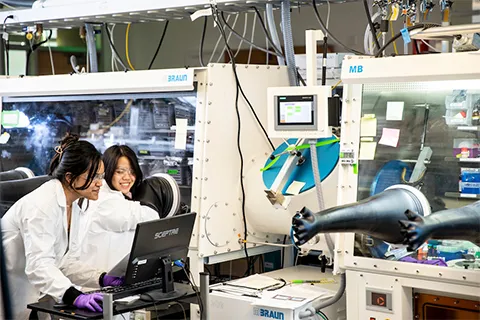
An empowering education
Ph.D. candidate Malia Steward shares her journey to researching renewable energy and how she’s working to improve solar cell efficiency.
Fri, 12/16/2022 | UW Magazine
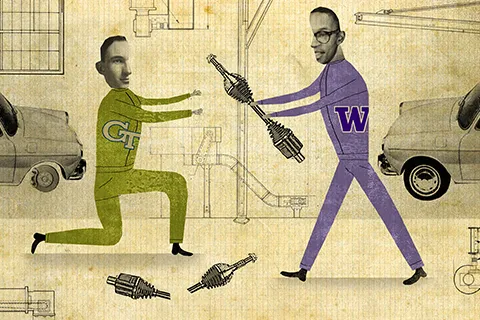
EcoCAR competition highlights UW’s ingenuity and compassion
A group of UW students, including ME students, built a car that made it to the finals of the EcoCAR Mobility Challenge last spring.
Mon, 12/05/2022
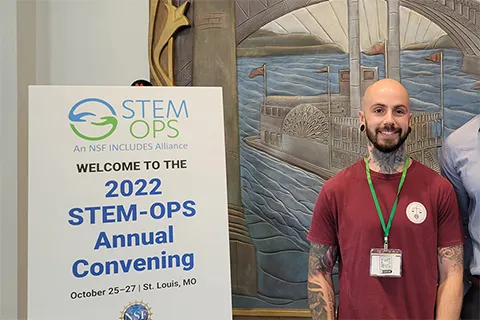
ME student speaks at STEM-OPS conference
ME student Raymond Haug spoke at a STEM Opportunities in Prison Settings (STEM-OPS) conference.
Mon, 11/14/2022
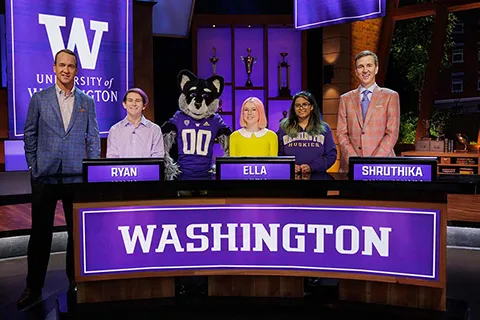
ME undergrad competes on ‘College Bowl’
Shruthika Kandukuri shares her recent experiences on the television game show.